Mental health symbols can help people talk about feelings that are often hard to explain. A symbol can show hope, strength, healing, awareness, or support. It can also remind someone that they are not alone during a difficult time.
Many people use mental health symbols in tattoos, art, jewelry, campaigns, and social media posts. These signs do not replace real care. But they can make mental health conversations feel easier, safer, and more human.
Symbols Of Mental Health
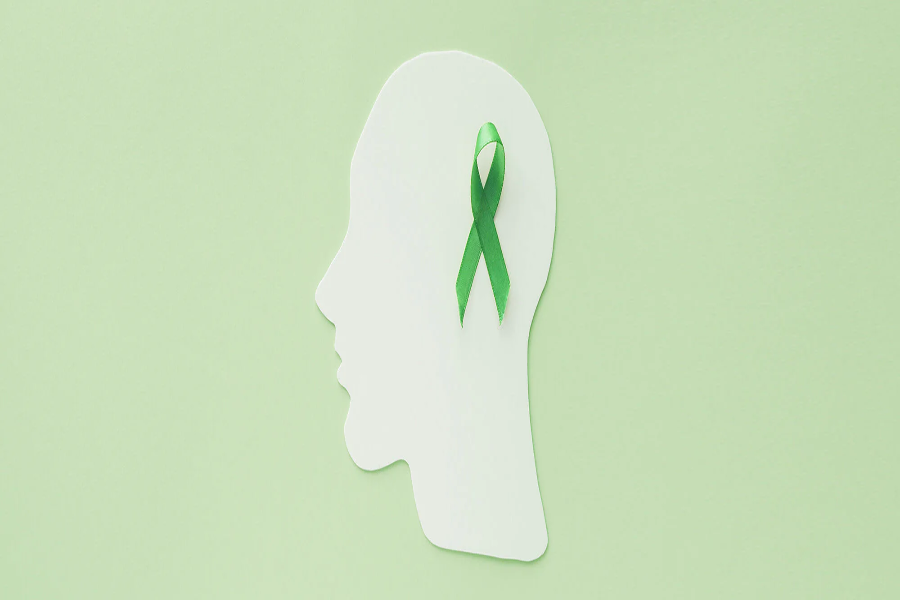
Symbols of mental health can include many signs with different meanings. The green ribbon is one of the most common signs used for mental health awareness. It often represents support hope and the need to talk openly about mental health.
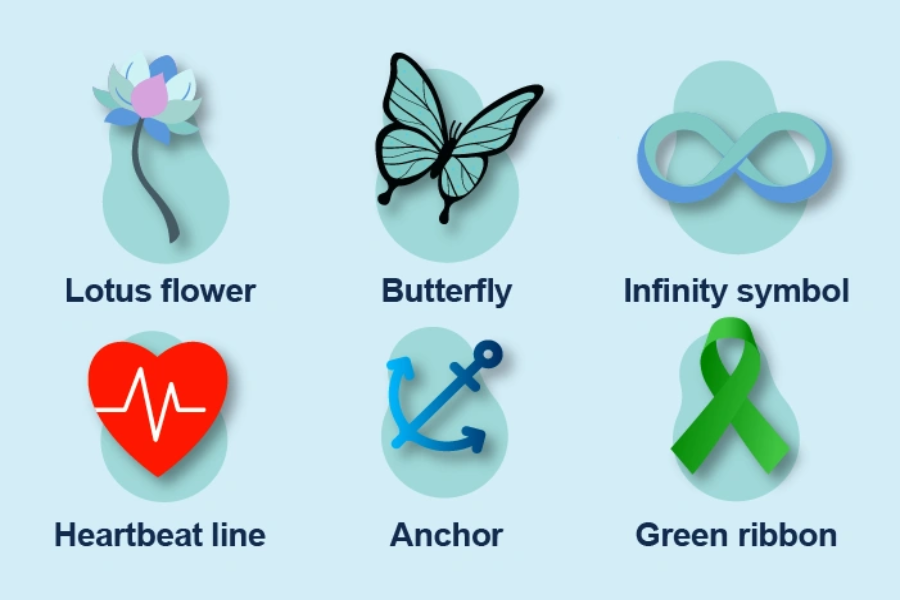
Other mental health symbols include the semicolon butterfly lotus flower heart brain and puzzle style designs. Each one can show a different part of healing. Some focus on survival. Some focus on growth. Some focus on care and connection.
The meaning of a symbol can also be personal. One person may see a butterfly as recovery. Another may see it as change after pain. This is why mental health symbols can be powerful. They let people tell their story without saying every detail.
When choosing a symbol it helps to know its meaning first. Some signs are widely known. Others are more personal or artistic. The best symbol is one that feels respectful clear and meaningful.
Symbols For Mental Health Awareness
Symbols For Mental Health Awareness are often used in campaigns and public events. The green ribbon is the most recognized awareness sign. It can be worn on clothing shared online or used in posters to support mental health education.
Mental health symbols for awareness are useful because they invite conversation. A simple ribbon or design can make someone ask a question. That question can lead to a helpful talk about anxiety, depression, stress, therapy, or support.
Awareness symbols also help reduce stigma. Many people stay silent because they fear judgment. When more people use these signs it can show that mental health matters just like physical health.
Schools, workplaces, clinics, and community groups may use mental health symbols during awareness months or wellness events. These signs help spread messages of care. They also remind people that asking for help is not weakness.
Symbols Of Mental Health Recovery
Symbols of mental health recovery often focus on hope and change. The semicolon is one of the strongest recovery symbols. It means a story could have ended but continued. Many people use it to show survival and strength.
The butterfly is another common recovery symbol. It can represent transformation. A person may feel like they went through a dark season and slowly changed into someone stronger. This makes it one of the most emotional mental health symbols.
The lotus flower can also represent recovery. It grows from mud and still blooms beautifully. Many people connect it with resilience peace and new beginnings. It is a gentle sign of healing after struggle.
Recovery does not always happen fast. That is why mental health symbols matter. They can remind someone that progress is still progress even when life feels slow. A small sign can hold deep meaning during a long healing journey.
What Symbols Represent Mental Health
What Symbols Represent Mental Health depends on the message you want to share. A green ribbon may represent awareness. A semicolon may represent survival. A butterfly may represent change. A lotus may represent healing and growth.
A brain symbol is also used often. It can show mental wellness, psychology, and emotional health. Some designs combine a brain with flowers or hearts to show balance between thoughts feelings and care.
Mental health symbols may also include waves, mountains, anchors, and sunrises. Waves can show emotional ups and downs. Mountains can show strength. An anchor can show stability. A sunrise can show hope after a dark time.
There is no single symbol that fits everyone. Mental health is personal. The right symbol should match the story goal or message. This makes mental health symbols flexible for art campaigns tattoos and personal reminders.
Anxiety Mental Health Symbols
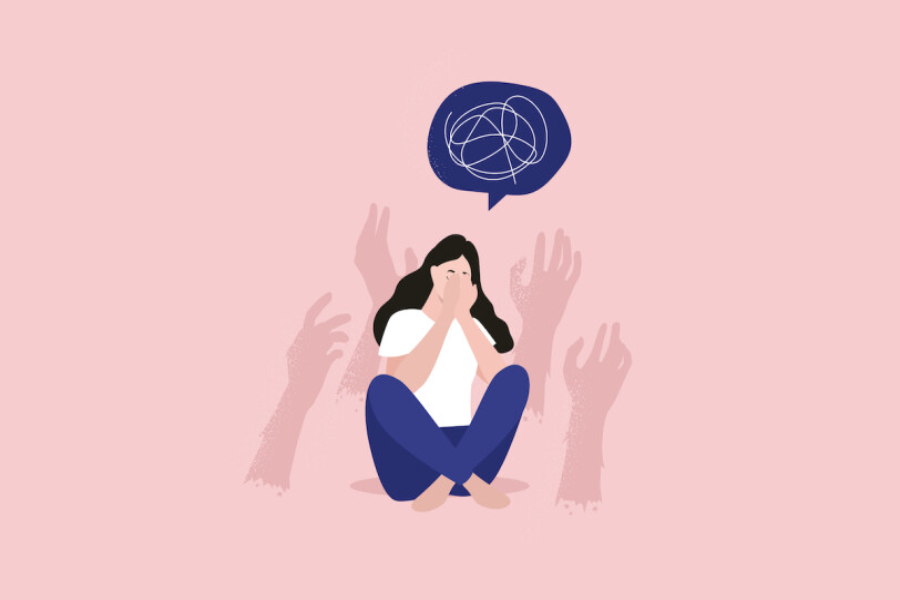
Anxiety Mental Health Symbols often show calm grounding and support. A small wave can represent breathing through panic. An anchor can represent staying steady. A circle can represent safety and wholeness.
Some people use lavender flowers or soft line art to represent calm. Others choose the semicolon because anxiety can be part of a larger survival story. These mental health symbols can help people feel seen without explaining everything.
A breathing symbol can also be useful. Designs with lungs air lines or simple inhale-exhale patterns may remind someone to slow down. For people with anxiety, a visual cue can help during stressful moments.
Still symbols are only reminders. If anxiety affects sleep, work, school, or daily life professional help may be needed. Mental health symbols can support healing, but therapy support and medical guidance can be very important too.
Popular Designs And Their Meanings
The green ribbon means mental health awareness and support. It is simple and easy to recognize. This is why many campaigns use it. It can also be added to social posts, shirts, pins, or posters.
The semicolon means continuation and survival. It is one of the most personal mental health symbols. Many people use it after depression, trauma, anxiety, or difficult life moments. It says the story is not over.
Read more: Madden Mental Health Center, How 7 Caring Tips Support Patients
The butterfly means change. The lotus means growth after hardship. The heart means care. The brain means mental wellness. Together these signs can create beautiful and meaningful designs.
If you want a tattoo or logo choose carefully. Think about culture, meaning, and long-term messages. Mental health symbols should be used with respect because they may connect to real pain and real healing.
Final Thoughts
Mental health symbols are powerful because they give shape to emotions and healing. They can show awareness, recovery, hope, anxiety, support, and strength. A simple ribbon flower or semicolon can carry a deep message.
“Simple,” “respectful,” and “meaningful” are the best mental health symbols. Use them to start conversations, reduce stigma, and promote care. But remember that symbols are only one part of the healing process. Real support, kindness, and professional help matter too.
FAQs About Mental Health Symbols
Q1. What Are Mental Health Symbols?
People use mental health symbols to symbolize awareness, healing, support, and emotional wellness. Common examples include the green ribbon, semicolon, butterfly, lotus flower heart and brain.
Q2. What Is The Main Symbol For Mental Health Awareness?
The green ribbon is one of the most common symbols for mental health awareness. It is often used in campaigns to show support and encourage open conversation.
Q3. What Does The Semicolon Mean In Mental Health?
The semicolon means the story is not over. It is often used as a recovery and survival symbol. Many people choose it to represent hope after emotional struggle.
Q4. What Symbol Represents Mental Health Recovery?
A butterfly lotus flower and semicolon are common symbols of recovery. These mental health symbols can represent change growth survival and healing after hard times.
Q5. What Symbols Are Used For Anxiety?
Anxiety symbols may include anchors waves breathing lines circles lavender flowers and semicolons. These signs often stand for calm, grounding, safety and strength.
Q6. Can I Use Mental Health Symbols For A Tattoo?
Yes many people use mental health symbols for tattoos. Before choosing one learn its meaning and make sure it feels personal respectful and long lasting.
